Designing for the Senses
A sensory-led framework for designing restorative homes.
WORDS Elissa Rose
The home is one of the environments we experience most consistently and for the longest stretches of time. Unlike public spaces, it’s not designed for brief encounters or heightened stimulation, rather its influence is cumulative. Every surface, sound and shift of light is registered by the body, often without conscious attention. Over time, these signals either contribute to background strain or help create a sense of ease.
Designing for the senses begins with an understanding that rest is shaped continuously by the sensory conditions around us. The nervous system is always interpreting information, deciding what requires attention and what can fade into the background. When the home offers too much contrast, noise or visual demand, the system works harder. When it is legible and gently ordered, the body can soften.
A sensory-led approach seeks balance above removing stimulation entirely. It considers how light changes across the day, how materials respond to touch, how sound travels through space and how color sits in the visual field. These elements work together to create an environment that makes us feel awake when needed and offers recovery when it matters most.
 |
 |
Brooklyn Home designed by Augusta Hoffman. Photo courtesy of Nicole Franzen |
Californian townhouse designed by Catherine Kwong Design. Photo courtesy of Nicole Franzen |
Light as a Regulator
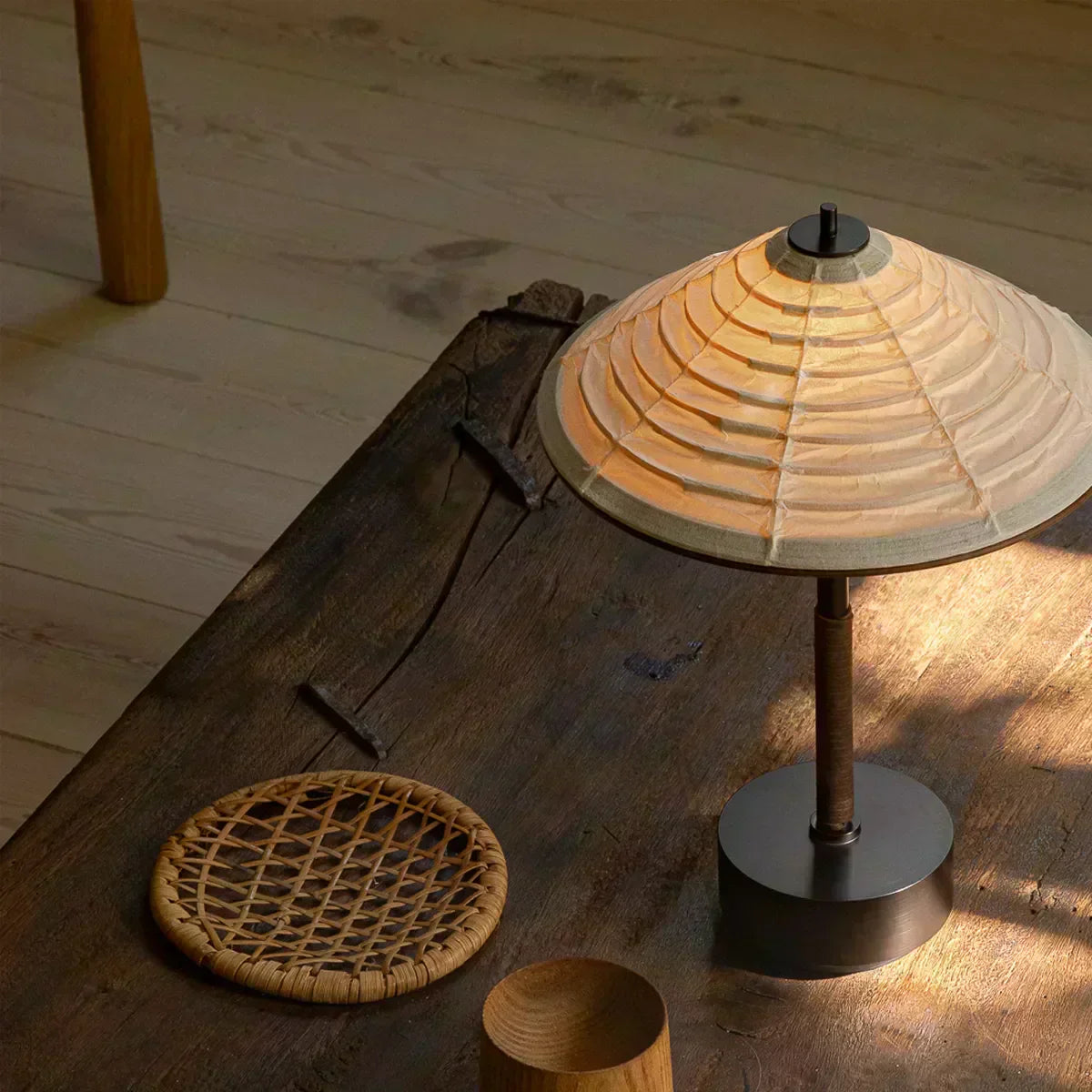
Light is one of the most powerful sensory inputs in the home. It influences circadian rhythm, mood and perceived energy. Natural daylight supports alertness and orientation, especially when it moves through a space rather than entering from a single source. Homes that allow light to travel across rooms tend to feel more expansive and less static. As daylight fades, the quality of light becomes just as important as its presence. Bright lighting, necessary during the day, can keep the body in a state of readiness in the evening, even as activity slows. Softer lighting, delivered through lamps and wall fixtures, allows the visual system to relax.
From a design perspective, this often means thinking in layers. Dimmable sources help bridge the transition between day and night rather than forcing an abrupt shift. Task lighting can remain precise where needed, while ambient light supports the overall atmosphere. The goal is a gentler visual landscape that signals a change in pace.
Color and Visual Load
Color plays a quieter but equally significant role. Highly saturated hues and sharp contrasts can energize a space, which may be appropriate in certain contexts. In areas intended for rest, these same qualities can create subtle tension. The eye is drawn repeatedly to contrast, increasing visual activity even when the body is still.
Muted and grounded palettes tend to reduce this effect. Warm neutrals, softened earth tones and low-saturation greens or blues provide enough variation to feel alive without demanding constant attention. These colors recede rather than advance, allowing the space itself to feel more stable. Differences in texture, tone and finish add depth without feeling overwhelming. When color is used with restraint, it offers support and comfort over stimulation.
 |
Brooklyn family home designed by Jessie Paris Lamb. Photo courtesy of Nicole Franzen |
Materials and Tactile Experience
Materials shape how a home feels. They influence perceived temperature, sound and the way surfaces age over time. Natural materials often carry a sense of weight and continuity that synthetic alternatives struggle to replicate. Wood, stone, linen, wool and clay tend to interact with light and touch in softer ways, absorbing rather than reflecting. Patina, wear and subtle irregularity signal use. This can reduce the pressure for perfection and allow a home to feel lived in rather than maintained.
From a design standpoint, material transitions matter as much as the materials themselves. Abrupt shifts from hard to soft or cold to warm can create sensory contrast that is felt physically. Gradual transitions help the body move through space with less effort, reinforcing continuity.
Acoustics and Background Sound
Sound may be less visible than other design elements, but it has a direct impact on how safe and settled a space feels. Hard surfaces reflect sound, increasing echo and sharpness. Even low-level noise can keep the nervous system slightly alert, particularly in homes located in dense or urban environments.
Improving acoustics involves reducing harsh reflections and allowing sound to dissipate naturally. Textiles, rugs, curtains and upholstered furniture all help absorb ambient noise. Architectural elements such as bookshelves or layered wall finishes can also break up sound paths. When background noise is softened, the body expends less energy filtering information. This can make rest feel more accessible without any change in behavior.
 |
Rockefeller’s Carriage House on the Upper East Side designed by Husband Wife studio. Photo courtesy of Nicole Franzen |
Scent and Sensory Memory
Scent operates on a different timeline than sight or sound. It is closely tied to memory and emotional association. In the home, scent can act as a subtle signal, helping mark transitions between activity and rest. Because it is processed differently by the brain, even a gentle scent can have a disproportionate effect.
Natural scents tend to integrate more easily into living spaces. Fresh air, untreated wood or a lightly scented non-toxic candle can support a sense of clarity without dominating the environment. The intention is to avoid sensory conflict. When scent aligns with the overall tone of a space, it reinforces coherence rather than creating distraction.
Designing Rest Into the Structure
Sensory-led design treats rest as an environmental condition rather than an outcome. It recognizes that the body responds continuously to its surroundings, long before conscious choices come into play. Light, color, material and sound shape that response together, creating a baseline that either supports regulation or undermines it.
At WLLW Studio, this approach is rooted in the belief that homes should work quietly in the background. When sensory demands are reduced, the space itself becomes less noticeable. This allows attention to turn inward, supporting restoration without effort. Designing for the senses is about shaping environments that feel steady over time. When the home communicates clearly through its sensory cues, rest becomes part of the architecture.
Feature Image: Home by designers Husband Wife, photo by Nicole Franzen
Photography: Nicole Franzen