


Go to the Grandmothers
On inherited wisdom, modern science, and the things we may have forgotten about living well.


Air, water, light, materials, and the way a space is experienced are present in every home. These elements shape how people feel and function each day, yet they are rarely the starting point in how homes are designed, built, or lived in.
At WLLW, that is where our attention begins. We see the home as a system actively shaping how we feel and function each day.
Environmental health research has made this increasingly clear. The conditions inside our homes, from air quality and materials to daylight, spatial flow, and acoustics, shape how the body and mind perform.
These are not abstract ideas. They are mechanisms, operating whether or not we are aware of them.
WLLW was built to bring this understanding into the practice of design and into everyday life, translating research into decisions that can be applied from how a home is conceived to how it is lived in.
To make this way of thinking more actionable, we developed the WLLW Residential Framework.
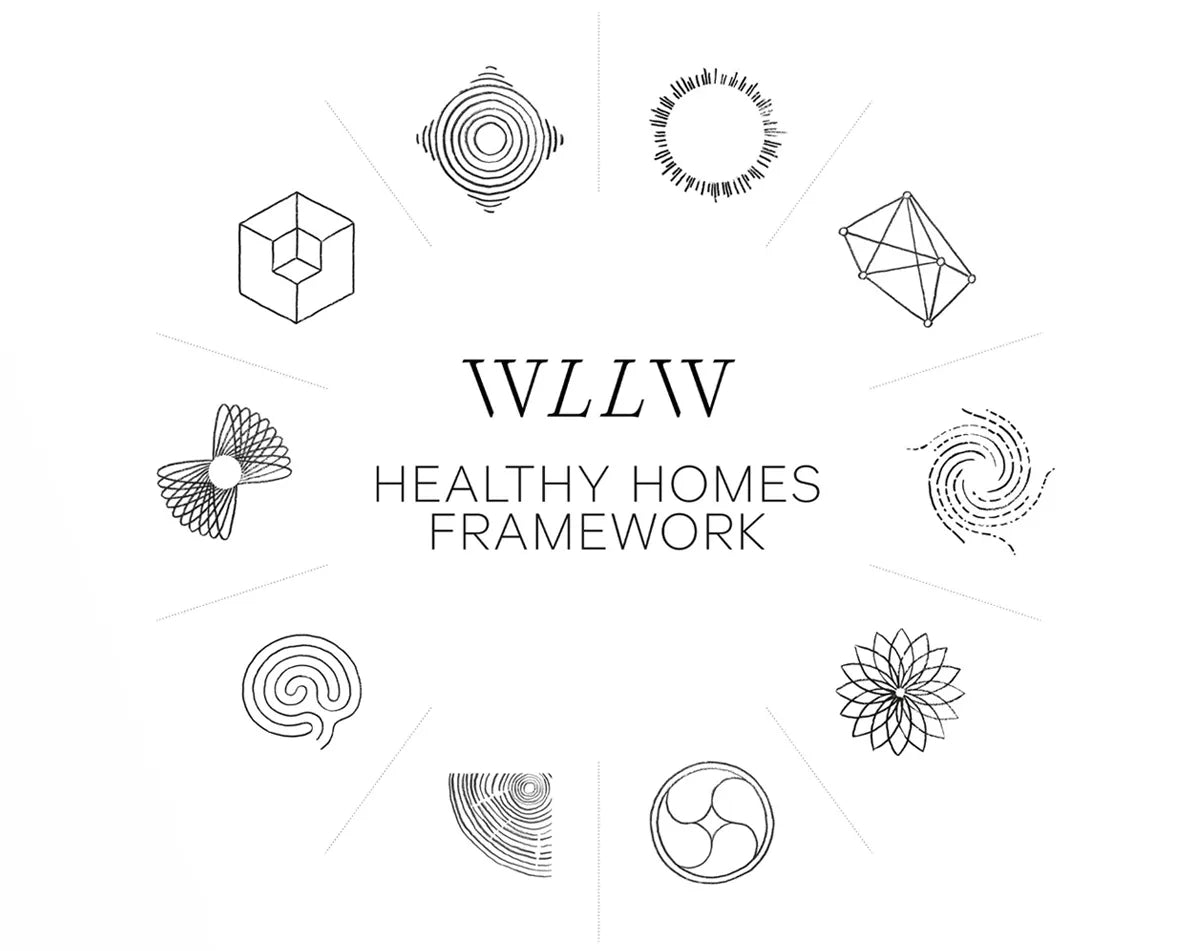
The WLLW Residential Framework brings together the conditions that most influence how a home feels and functions. Rooted in principles from the International WELL Building Institute and the Harvard School of Public Health, it offers a clear way to understand how environmental factors shape daily life.


On inherited wisdom, modern science, and the things we may have forgotten about living well.

Inexpensive, sustainable, versatile and efficient: why the humble wood shingle is enjoying a revival in the building industry.

WLLW considers the health and environmental impacts of the leather we use in our homes.
Alert me if this item is restocked.
We often restock popular items or they may be returned by the other customers. If you would like to be notified when this happens just enter your details below.
We respect your privacy and don't share your email with anybody.
Alert me if this item is restocked
Thank you, we have now received and recorded your request to be notified should be restocked.
We will only use your email for this purpose.